
Metabolic Health Calculator
Resulting BMI
--
--
By Dr Sarthak | Clinical Guidelines for Asian Indians
Consult with a Expert now
Why BMI Matters
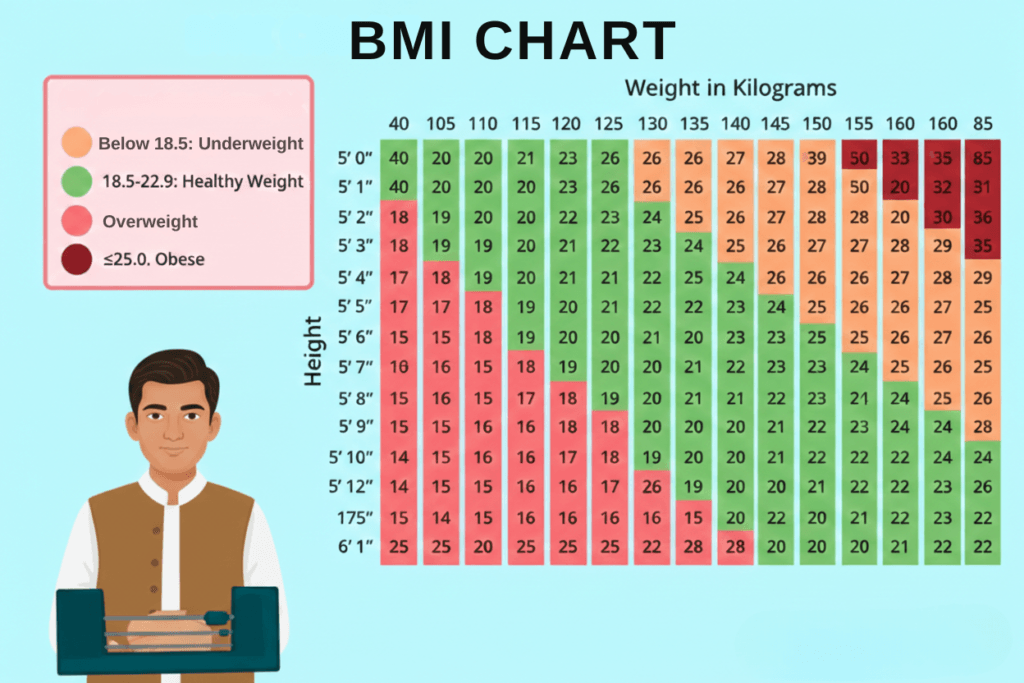
Body Mass Index (BMI) is a simple, non-invasive screening tool used to estimate whether a person’s weight is healthy in proportion to their height. While it doesn’t measure body fat directly, it is highly correlated with more direct measures of body fatness.
1. It Predicts Health Risks
BMI serves as an “early warning system.” Research shows that as your BMI moves outside the healthy range, the risk for several chronic conditions increases significantly, including:
Type 2 Diabetes
Hypertension (High Blood Pressure)
Cardiovascular Disease
Certain types of cancer
2. It Accounts for Body Proportions
Unlike a standard weighing scale, which only tells you your total mass, BMI accounts for height. This is crucial because a person who is 6’0″ and weighs 80kg is in a very different health category than someone who is 5’2″ and weighs the same.
3. The Ethnicity Factor (The “Asian Indian” Context)
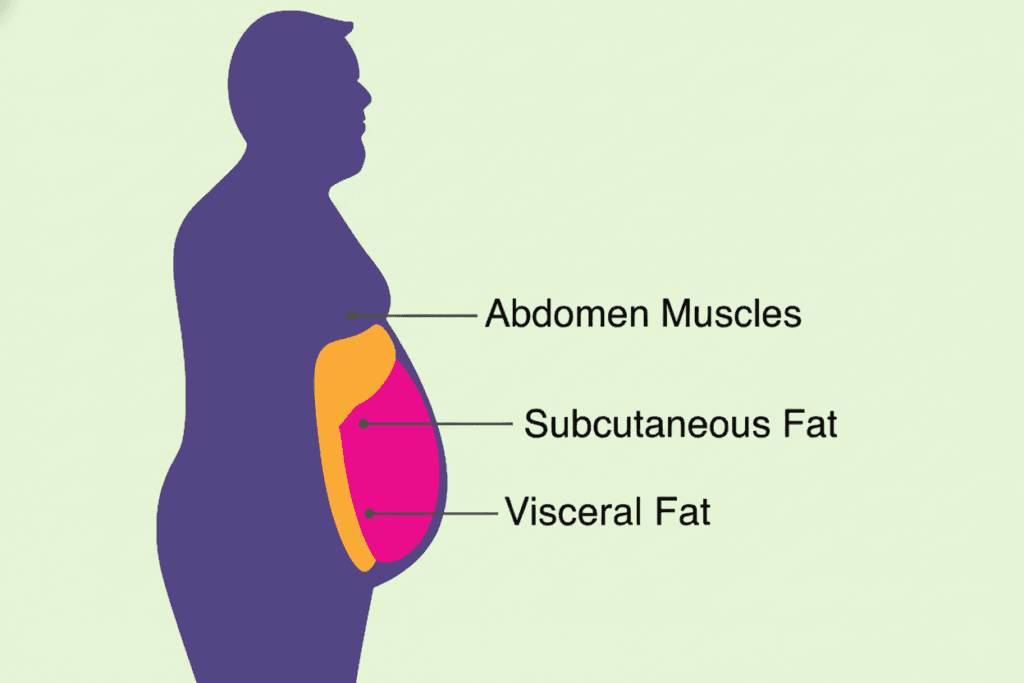
For the Indian population, BMI matters even more because of the “Thin-Fat Indian” phenotype. Indians tend to have a higher percentage of body fat and more abdominal fat (visceral fat) at lower BMI levels compared to Europeans.
This is why your calculator uses the stricter Indian thresholds:
Global Obesity: BMI ≥ 30
Indian Obesity: BMI ≥ 25
By tracking your BMI according to these specific standards, you get a much more accurate picture of your metabolic health and can take preventive action much sooner.
The Asian Indian Perspective
While the Global WHO standards are widely recognized, they often fail to capture the unique health risks associated with the South Asian body type. For the Indian population, BMI interpretation requires a more specialized lens.
While the Global WHO standards are widely recognized, they often fail to capture the unique health risks associated with the South Asian body type. For the Indian population, BMI interpretation requires a more specialized lens.
Why the Threshold is Lower Clinical guidelines in India utilize a lower cutoff for overweight and obesity due to several biological factors: The “Thin-Fat” Phenotype: Many Indians possess what researchers call the “Thin-Fat” body type—appearing relatively lean but carrying a high percentage of internal body fat. Abdominal Fat (Visceral Fat): Indians are genetically more prone to accumulating fat around the waist and internal organs. This specific type of fat is “metabolically active,” meaning it directly interferes with insulin and increases the risk of Type 2 Diabetes even when the total body weight seems normal. Metabolic Risk at Lower BMI: Studies have shown that Indians develop metabolic complications (like high blood pressure and heart disease) at a BMI as low as 23 kg/m², whereas these risks typically appear at 25 kg/m² or higher in Western populations.
A New Era in Weight Management: GLP-1 Agonists
Glucagon-like peptide-1 (GLP-1) receptor agonists are a class of medications that have revolutionized the treatment of Type 2 Diabetes and chronic obesity. While they were originally developed to manage blood sugar, their profound effect on weight loss has made them a focal point in modern medicine.
How They Work
GLP-1 is a hormone naturally produced in your gut after you eat. These medications mimic that hormone to produce three primary effects:
Appetite Regulation: They signal the brain’s “satiety center” to make you feel full sooner.
Slowing Gastric Emptying: They slow down how quickly food leaves your stomach, keeping you satisfied for longer periods.
Insulin Management: They prompt the pancreas to release insulin only when blood sugar is high and prevent the liver from making too much sugar.
Ozempic vs. Mounjaro: What’s the Difference?
While both are administered via once-weekly subcutaneous injections, they utilize slightly different pathways to achieve results.
1. Ozempic (Semaglutide)
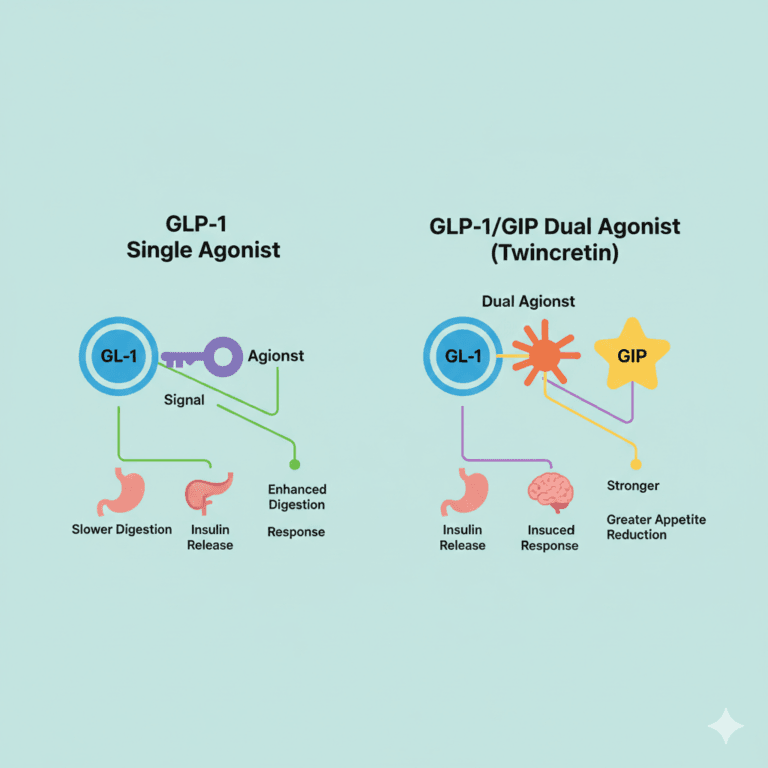
Ozempic is a pure GLP-1 agonist. Originally FDA-approved for Type 2 Diabetes, its sister medication (Wegovy) is approved specifically for weight loss.
The Result: Users typically experience significant weight reduction alongside improved cardiovascular health markers.
2. Mounjaro (Tirzepatide)
Mounjaro is often called a “Twincretin” because it is a dual agonist. It targets both GLP-1 and GIP (Glucose-dependent Insulinotropic Polypeptide) receptors.
The Difference: By hitting two hormonal pathways instead of one, clinical trials have shown that Mounjaro (and its weight-loss version, Zepbound) generally results in even greater weight loss percentages compared to semaglutide alone.
Important Consideration for the Indian Context
As we discussed with the Asian Indian BMI perspective, Indians are at a higher risk for metabolic syndrome at lower weights. These medications are increasingly being viewed by specialists not just as “weight loss shots,” but as metabolic tools to prevent diabetes and heart disease in high-risk individuals.
Note: These are prescription-only medications and must be used under strict medical supervision, as they can have side effects like nausea and require specific dose escalation schedules.
Consult Today
To known more consult with Dr Sarthak and find out if you are eligible for GLP-1 agonist injcetions